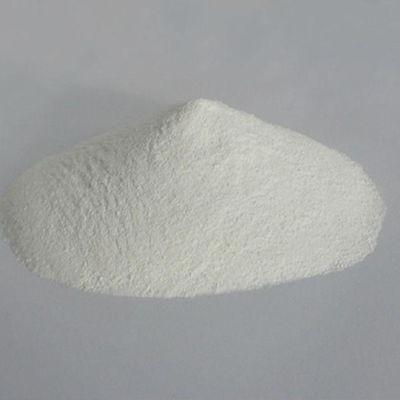
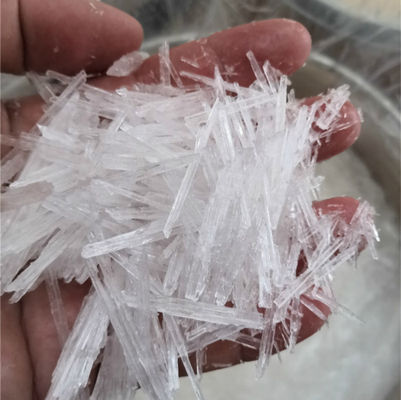
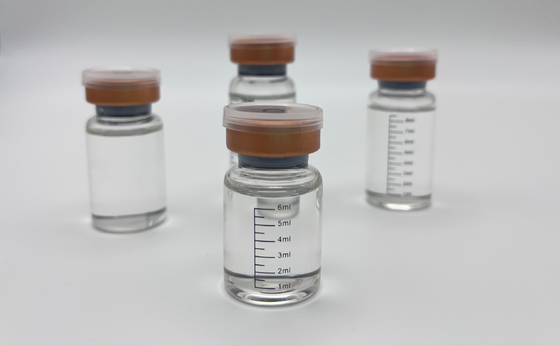
Descrição do Produto
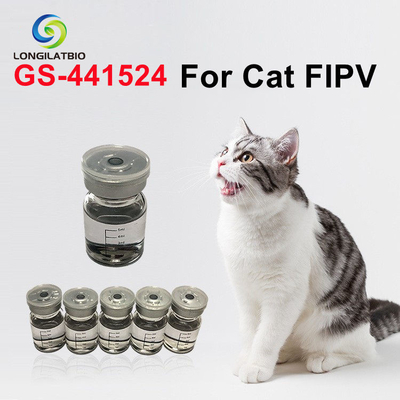
| Nome do Produto |
GS-441524 |
| Data de Validade |
1 Ano a Partir da Data de Fabricação |
| Condição de Armazenamento |
Temperatura Ambiente |
| Número CAS |
1191237-69-0 |
| Função Principal |
Tratamento para Peritonite Infecciosa Felina (PIF) em Gatos |
| Forma Farmacêutica |
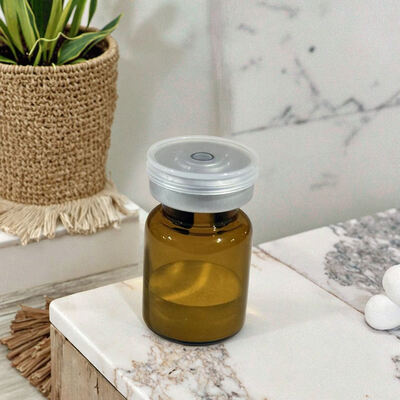
Injeção |
| País de Fabricação |
China |
| Especificações de Embalagem |
6ml/frasco, 8ml/frasco, 10ml/frasco |
| Concentração Ativa |
20mg, 30mg |
GS-441524 é um composto análogo de nucleosídeo com atividade antiviral direcionada contra o coronavírus felino (FCoV), que é o principal fator patogênico da peritonite infecciosa felina (PIF). O mecanismo antiviral do GS-441524 é atuar na RNA-polimerase dependente de RNA do FCoV, que é a enzima chave para o vírus realizar a replicação e transcrição intracelular. Como um análogo estrutural de nucleosídeos naturais, o GS-441524 é especificamente reconhecido pela polimerase viral e incorporado à cadeia de síntese de RNA viral durante o processo de replicação do FCoV. Devido à falta do grupo funcional necessário para a extensão contínua da cadeia de RNA, a síntese de RNA viral é terminada após a incorporação do GS-441524, inibindo assim a replicação e proliferação do FCoV nas células felinas e reduzindo a carga viral no corpo.
Como o principal metabólito ativo do remdesivir, o GS-441524 possui um perfil farmacocinético favorável com uma meia-vida de 24 horas no corpo de mamíferos. Essa característica permite que o medicamento mantenha uma concentração estável e eficaz no corpo do gato após uma única injeção, garantindo um efeito antiviral sustentado. No tratamento da PIF, o GS-441524 pode não apenas inibir diretamente a replicação viral, mas também aliviar o dano tecidual e a resposta inflamatória causados pela infecção por FCoV, melhorando assim os sintomas clínicos de gatos doentes e fornecendo uma janela para o sistema imunológico do gato ativar a resposta antiviral e eliminar o vírus.
Sobre a Peritonite Infecciosa Felina (PIF)
A Peritonite Infecciosa Felina (PIF) é uma doença viral grave, sistêmica e altamente fatal, exclusiva de gatos domésticos, causada pela mutação de cepas patogênicas do coronavírus felino (FCoV). O FCoV é um vírus amplamente prevalente em populações de gatos, e a taxa de infecção é relativamente alta em ambientes de criação com muitos gatos. O vírus é transmitido principalmente pela via fecal-oral, e os gatos podem ser infectados pela ingestão de alimentos ou água contaminados, ou pelo contato com as fezes de gatos infectados e superfícies ambientais contaminadas.
A ocorrência e o desenvolvimento da PIF estão intimamente relacionados ao status imunológico dos gatos. Gatos com um sistema imunológico normal e funcional podem controlar eficazmente a replicação do FCoV após a infecção, limitando o vírus ao trato intestinal e, portanto, não desenvolvendo PIF. No entanto, quando a função imunológica do gato é comprometida devido a fatores como idade jovem, estresse, desnutrição ou infecção concomitante com outros patógenos, o FCoV sofrerá mutação no corpo. O FCoV mutado pode romper a barreira da mucosa intestinal, invadir o sistema fagocítico mononuclear e se espalhar para vários tecidos e órgãos em todo o corpo através da circulação sanguínea, levando à ocorrência de resposta inflamatória sistêmica e alterações patológicas, ou seja, PIF.
Clinicamente, a PIF é classificada em dois tipos principais: PIF efusiva (úmida) e PIF não efusiva (seca). A PIF efusiva é a apresentação clínica mais comum, caracterizada pelo acúmulo de uma grande quantidade de exsudato de cor de palha ou amarelado turvo na cavidade abdominal, cavidade torácica ou ambas, levando a distensão abdominal, dispneia e outros sintomas evidentes em gatos. A PIF não efusiva é relativamente menos comum, caracterizada pela formação de lesões granulomatosas em múltiplos órgãos como fígado, rim, baço e linfonodos, e os sintomas clínicos são insidiosos e diversos, frequentemente incluindo febre persistente, perda de peso progressiva e disfunção orgânica. Em alguns casos, a PIF pode envolver os olhos e o sistema nervoso central, levando a uveíte, ataxia, convulsões e outros sintomas.
O diagnóstico da PIF é um processo desafiador na medicina veterinária clínica devido à inespecificidade de seus sintomas clínicos e achados laboratoriais. Um diagnóstico definitivo geralmente requer uma combinação de histórico epidemiológico, manifestações clínicas, bioquímica sanguínea, exames de imagem e testes de fluidos ou amostras de tecido. Para a PIF efusiva, o exame de fluido abdominal ou torácico (mostrando alta concentração de proteína, baixa contagem de células nucleadas e a presença de antígenos ou ácidos nucleicos do coronavírus) é uma base importante para o diagnóstico preliminar. Atualmente, não existe vacina específica aprovada para a prevenção da PIF, e as principais estratégias preventivas focam em reduzir a exposição dos gatos ao FCoV, melhorar a função imunológica dos gatos e manter um ambiente de alimentação limpo e com baixo estresse.
Aplicação e Dosagem de GS-441524
GS-441524 é uma preparação antiviral que é atualmente utilizada para o tratamento off-label da peritonite infecciosa felina na prática veterinária clínica, e sua aplicação é direcionada a gatos que foram clinicamente diagnosticados com PIF e infectados com FCoV. O medicamento é formulado como uma injeção, que é adequada para administração subcutânea ou intraperitoneal em gatos. A dosagem de GS-441524 é determinada principalmente com base no peso corporal do gato e no tipo clínico de PIF, e uma dosagem aumentada é necessária para gatos com envolvimento ocular ou neurológico e casos recorrentes para garantir o efeito terapêutico.
Durante o período de tratamento, o veterinário ajustará a dosagem e o curso do tratamento de GS-441524 de acordo com a resposta clínica do gato, incluindo a melhora dos sintomas, a mudança da carga viral e a condição física do gato. É importante seguir as orientações do veterinário para uma administração padronizada para garantir o efeito terapêutico e reduzir o risco de reações adversas.
Regime de Dosagem Recomendado:
- PIF (Tipo úmido): 0,3ml/kg de peso corporal + 0,1ml de resíduo, administração injetável
- PIF (Tipo seco): 0,4ml/kg de peso corporal + 0,1ml de resíduo, administração injetável
- PIF com envolvimento ocular/neurológico: 0,5ml/kg de peso corporal + 0,1ml de resíduo, administração injetável
- Casos de PIF recorrente: 0,6ml/kg de peso corporal + 0,1ml de resíduo, administração injetável


 Por favor verifique seu email!